

Ir al contenido

Producto añadido a la cesta

La cesta está vacía

Seguir comprando

Diego's Legacy

Diego's Legacy
Diego's Legacy

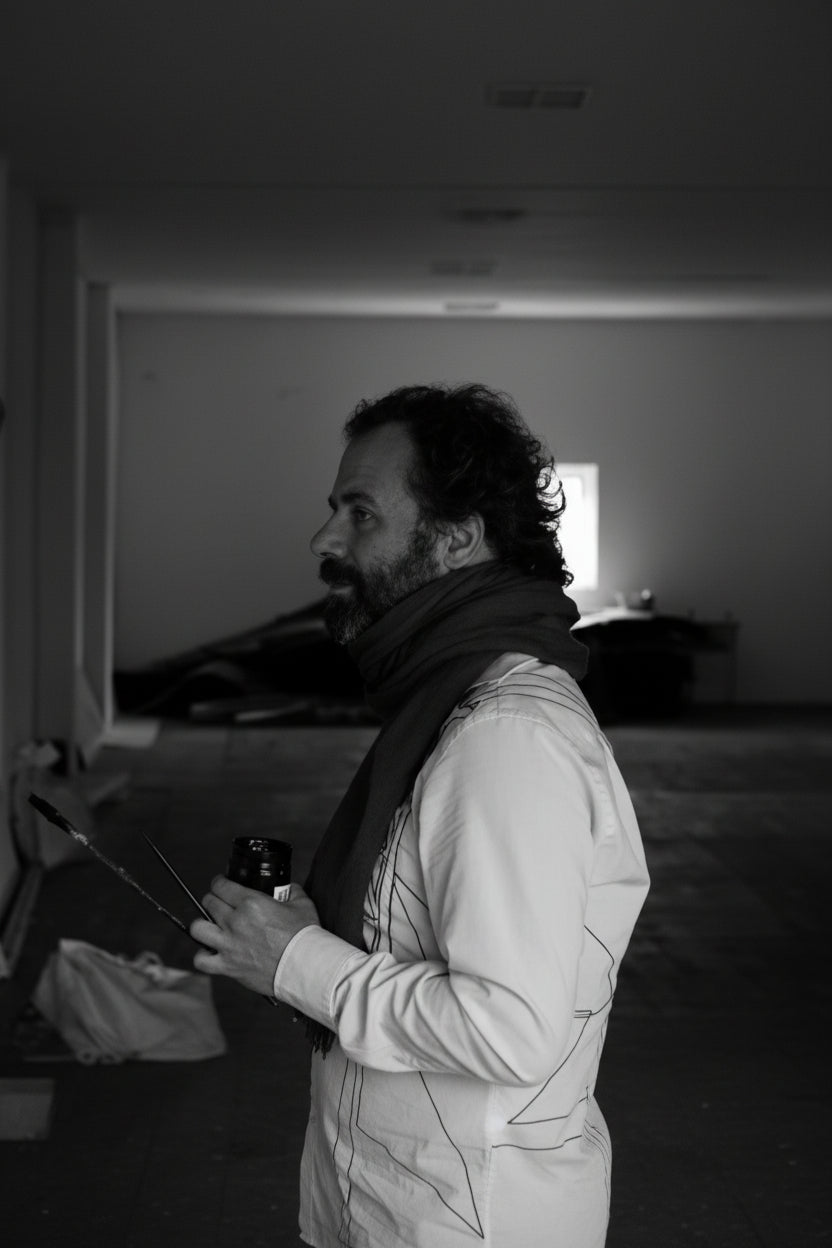
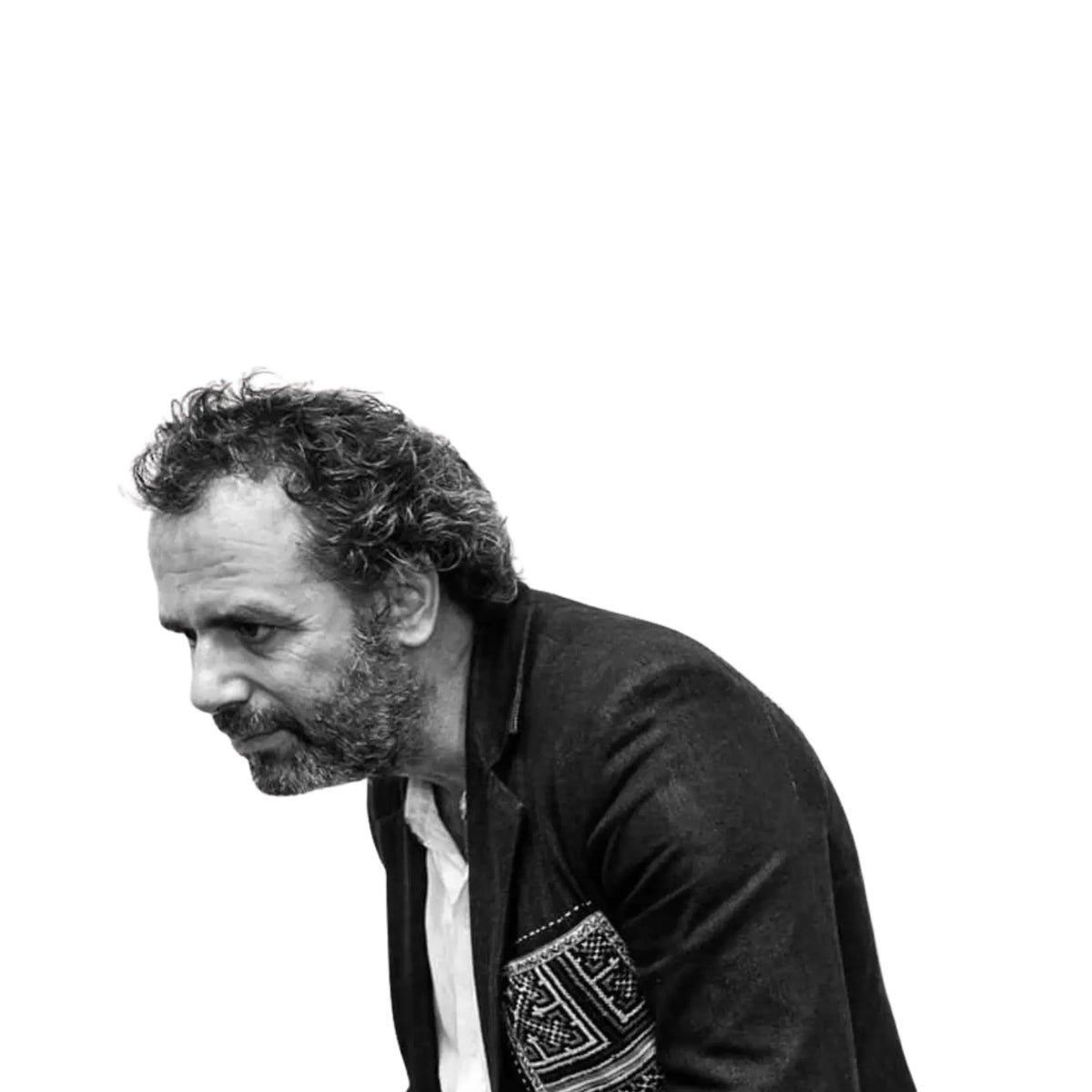
Diego Cortizas was born in León on 16 September 1972. Quietly exceptional at school, he found his true education in what he read and listened to in the long afternoons of his childhood. He was sensitive, creative, and quiet, and watched more than he spoke. He studied architecture in Madrid, then moved to Hanoi with his wife Laura, where they founded Chula in 2005. For Diego, fashion was only ever an excuse. He worked across disciplines all his life, designing dresses, furniture, music, paintings, and photographs, each another way of putting the world into a form he could hold.

DIEGO CORTIZAS DEL VALLE

1967-2021

VISIONARY

VISIONARY

He saw what others walked past.

Diego moved through the world as if he had been told, once and for all, that beauty was hiding. He found it in a railing on a New York street, in the underside of a bridge, in a stack of lanterns in a Hanoi alley, in the wall of a house he had walked past a hundred times. What he saw, he kept. What he kept became a photograph, and the photograph became a print, and the print became a dress, and the dress became the color on the wall of a room. Every discipline he touched belonged to the same long conversation, carried across materials, always in his own hand.

DESIGNER

DESIGNER

Fashion was only ever an excuse.

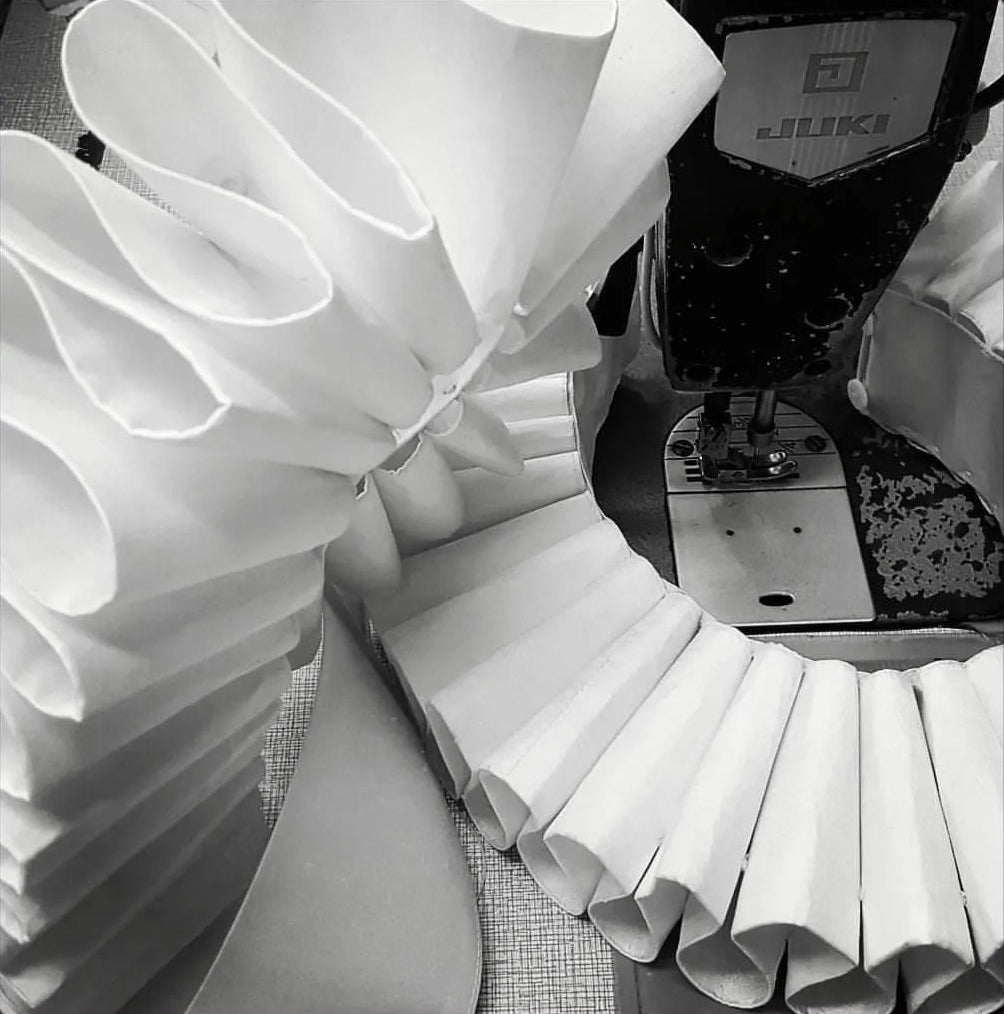
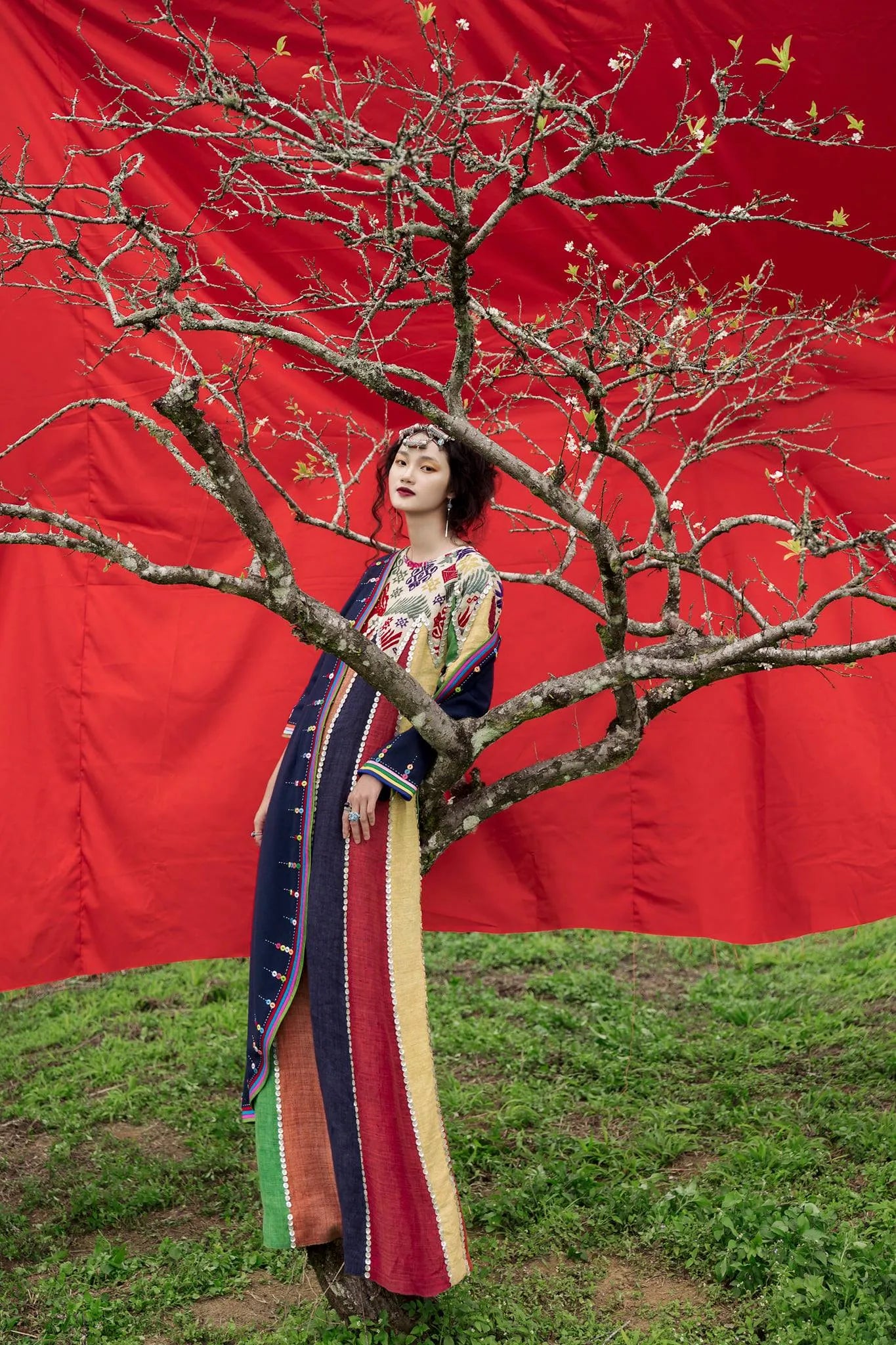
Diego treated a garment the way he treated a room, as a place to put an idea. The cuts were classical, considered, unhurried, and inside them lived every color, every geometry, every patchwork he could reach for. Each collection carried a theme he had been living with for months, sometimes a country, sometimes a season, sometimes a small piece of the world he wanted to look at closely. Over two decades at the atelier, he drew more than three thousand pieces, and the archive he left behind still holds thousands more, waiting to be made.

STORY TELLER

STORY TELLER

He drew the border of beauty.

Diego spoke the way he designed, in images that stayed with you. He believed the job of an artist was not to enter the land of beauty, but to trace its border, the way one might trace the outline of a cloud that keeps changing shape. He knew the outline would never be finished, and that was the whole point. His talks, his interviews, his sketches in the margins of notebooks all returned to the same question, quietly asked and quietly turned over. What is beauty, today, in this room. He never answered it, and he never stopped asking.

photographer

photographer

The camera as a way of noticing.

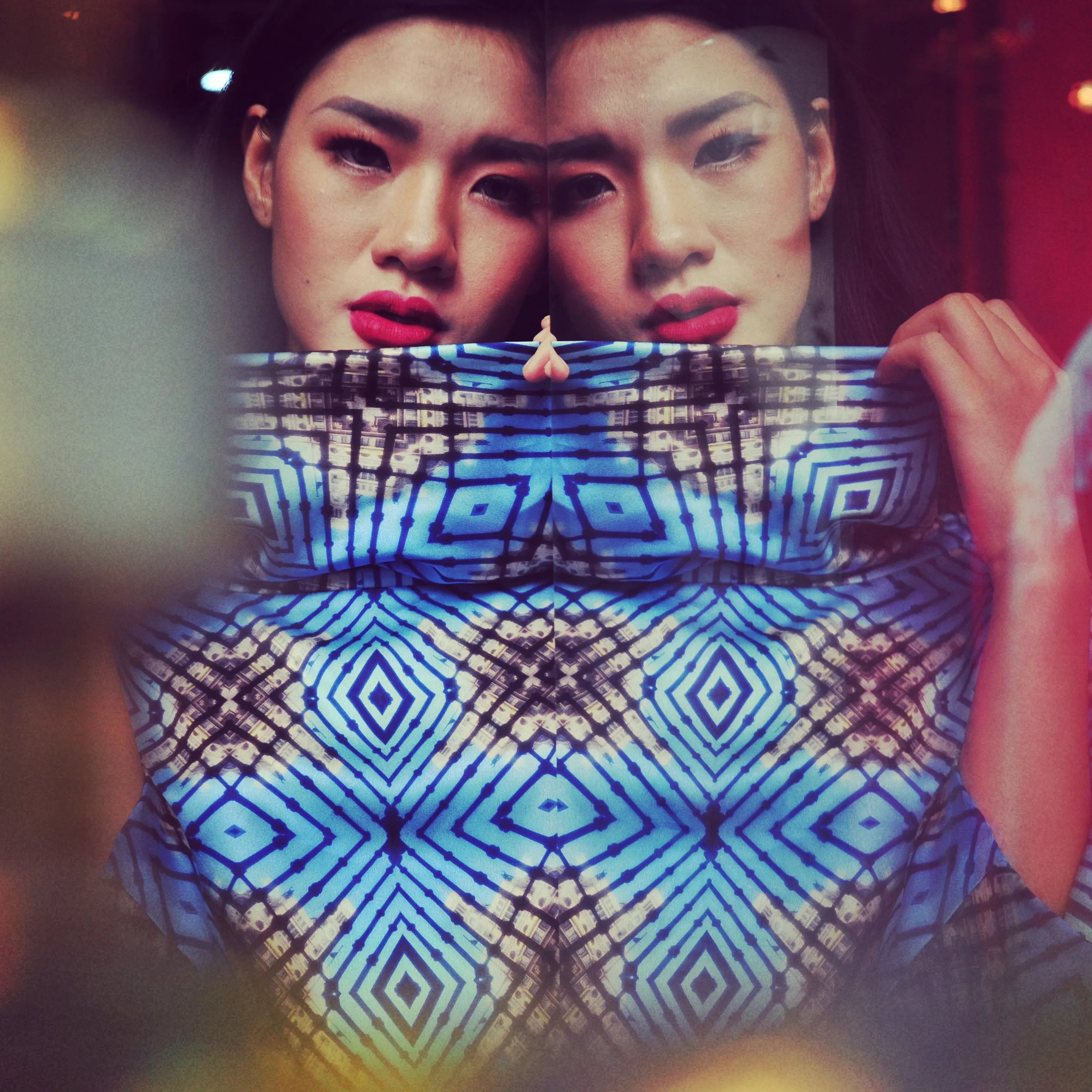
Diego photographed the way he moved through a city, close and quick and low to the ground. He shot the corner of a wall, the underside of a lantern, the pattern of light on a river, the reflection of a window in another window. The frame was often blurred, often too close, often at an angle no photograph was supposed to take. He believed the more directly you photographed a place, the less of it you actually captured. From these fragments he built Reflections, a line where every fabric had begun as a picture of something small enough to be missed.

MUSIcian

MUSIcian

Three songs a day, for three years.

Diego lived with music before he lived with design. As a child in Madrid, he played the family vinyl every afternoon, learning songs in a language he did not yet speak, learning melody before he learned meaning. He wrote his own on guitar and bass, sometimes three in a day, and left behind an archive of more than five thousand compositions and three hundred finished songs. Some he kept close, some he recorded with friends, some he sent into the world through the voices of other artists. All of them carried the same hand.

ARTIST

ARTIST

Every surface, a canvas.

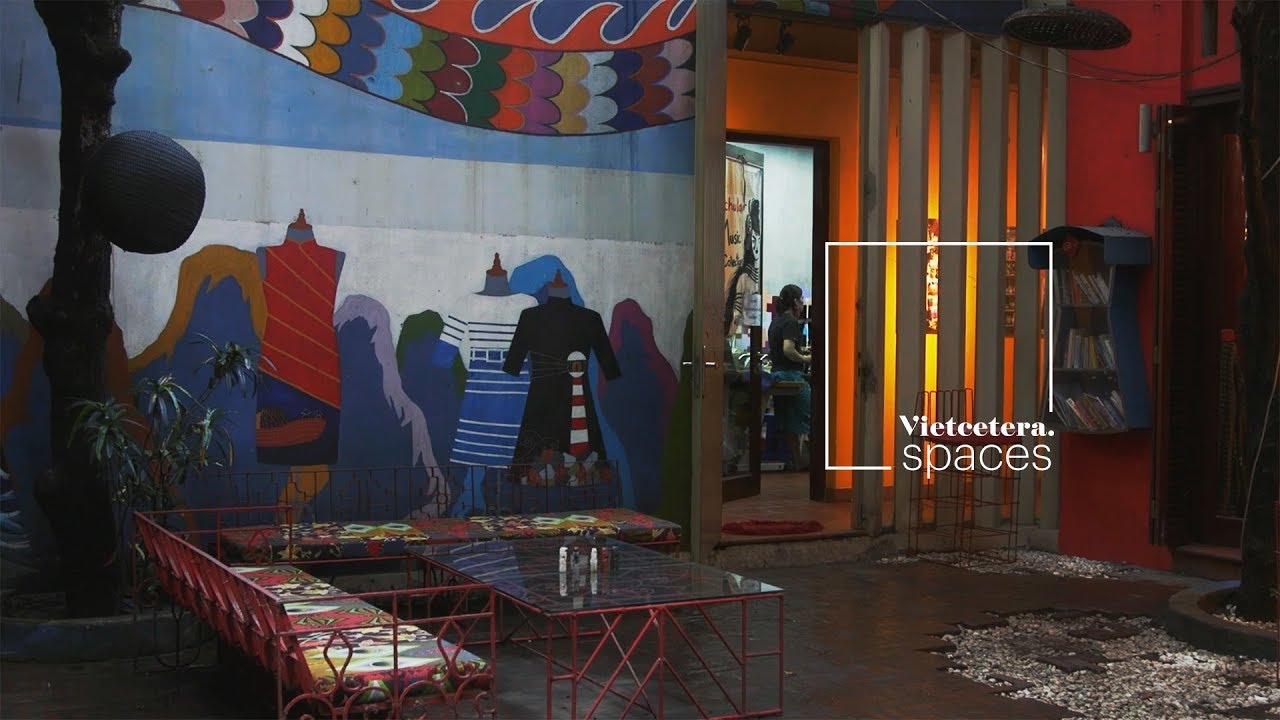
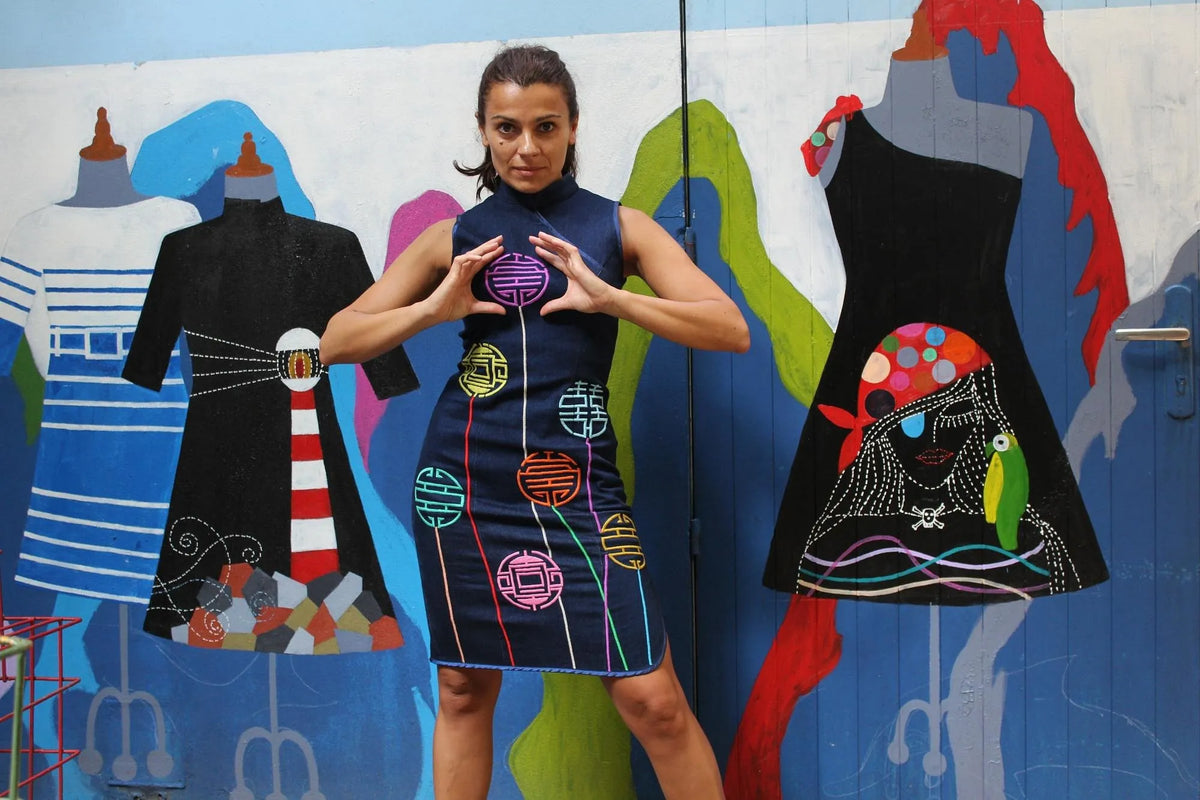
Diego painted the way he breathed, on whatever was in front of him. The walls of Chula House in Tây Hồ, the front of a dress, the surface of a notebook, the door of a room, the arm of a friend. In his later years he turned more fully toward painting, and the same eye that had shaped fabric now shaped color directly on plaster. His interventions changed with the season, with the collection, with the concert being held in the garden, and no wall in the house looked the same for very long. The work moved easily between disciplines because it had never been divided in his hand to begin with.

WRITER

WRITER

A life kept in notebooks.

Diego wrote his whole life, in hundreds of notebooks that traveled with him across continents. Sketches, thoughts, passages copied from books he loved, and passages of his own filled every page, sometimes in Spanish, sometimes in English, sometimes in the shorthand only he could read. He was widely read in philosophy and history, and the reading entered the writing, and the writing entered everything else he made. In his last years he had begun a book, still unfinished, that gathered together what he had spent decades noticing. The notebooks remain at the house, open where he left them.

FURNITURE DESIGNER

FURNITURE DESIGNER

Vietnam, made into a room.

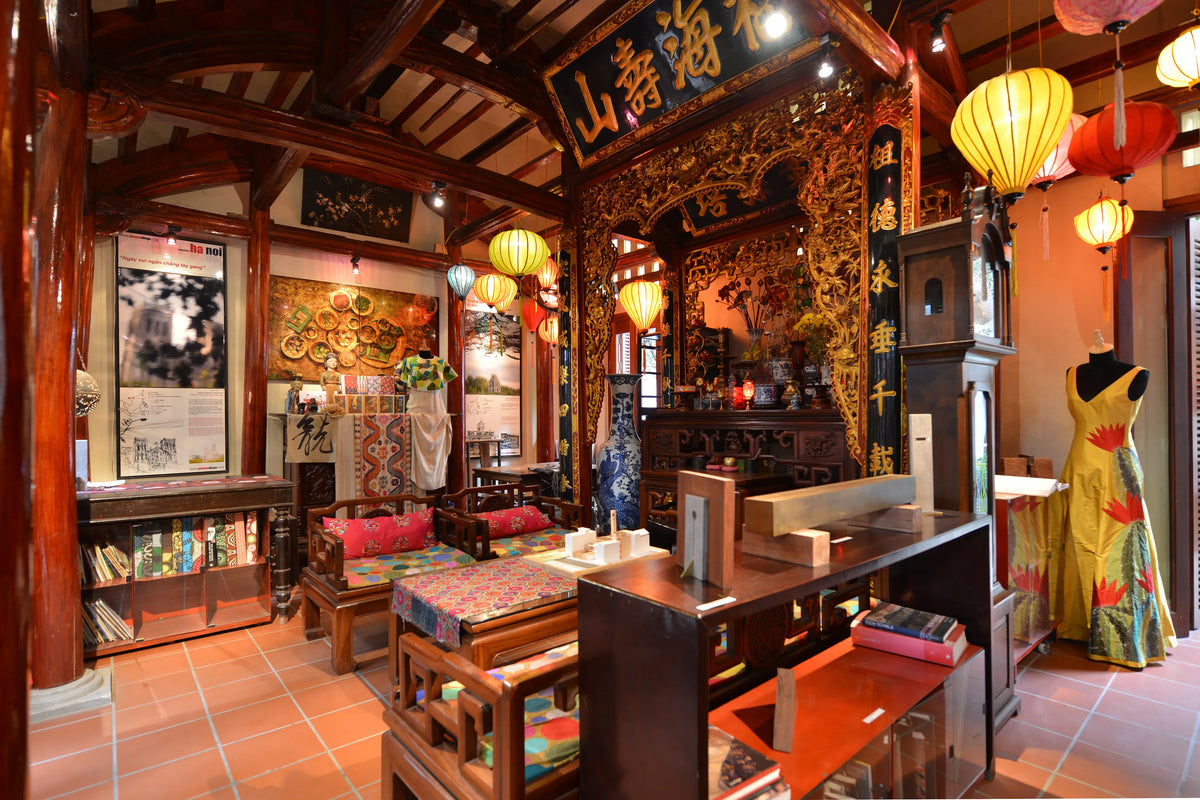
Diego's furniture began where his architecture training met the streets of Hanoi. He took the objects he saw every day, the woven bamboo basket, the conical nón lá, the birdcage hanging in a courtyard, and built them into lamps, chairs, and long modular couches. The pieces were always light in shape and heavy in structure, bamboo and paper held inside frames of thick painted steel, often glowing from within after dark. They lived throughout Chula House, in the garden, along the corridor, in the showroom and reception, and they never quite looked the same in two rooms. In them, an ordinary Vietnamese object became something one could sit inside.

architect

architect

The discipline underneath everything.

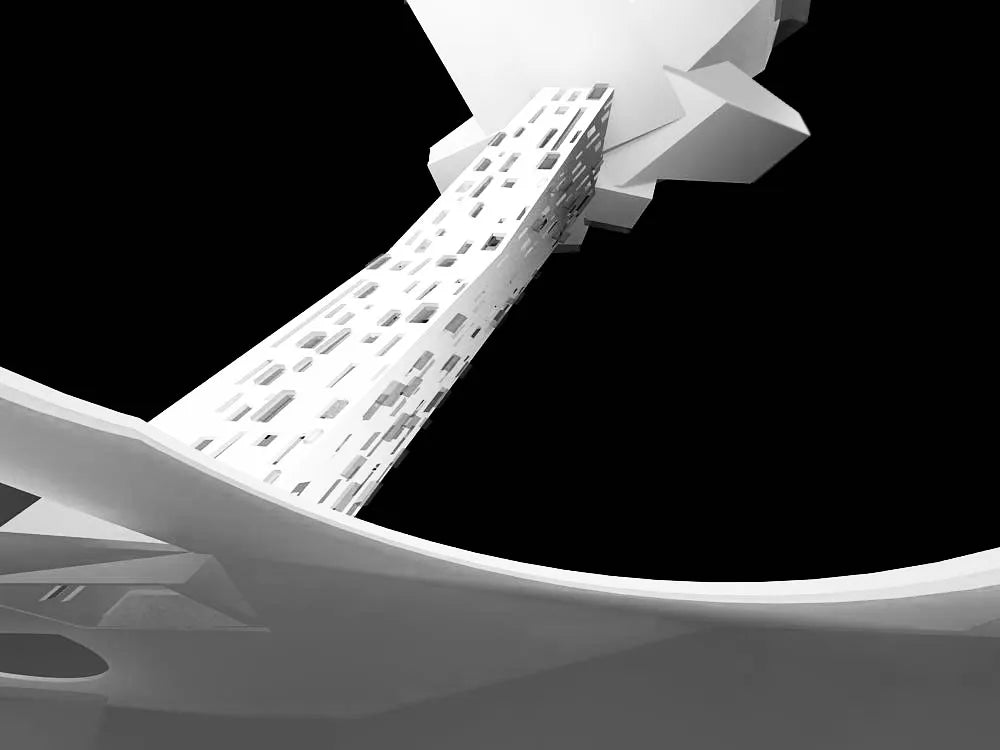
Diego trained as an architect in Madrid, and carried that training into every discipline that came after. Proportion, geometry, sketch, and structure became the underlayer of the dresses, the furniture, the paintings, the photographs, and even the walls he later painted. Before Chula, he worked in studios across Latin America and Europe, drawing buildings before he drew garments. In Hanoi, he worked on restoration projects, learning the city through its old walls and doorways before he began to design his own. The house he later built in Tây Hồ was, in its own way, the summary of that early education, held in fabric and steel instead of stone.

CREATIVE DIRECTOR

CREATIVE DIRECTOR

He created before he corrected.

Diego worked in quantity, and the quantity became quality. He drew thousands of sketches, recorded thousands of songs, filled hundreds of notebooks, and painted wherever there was a surface. He never waited for a piece to be perfect before showing it, and he never mistook hesitation for taste. He made, he shared, he learned, he made again, and the volume itself became the standard. This is why the house he built continues to draw from him, and why so much of his hand is still waiting inside the archive.

O

CREATIVE DIRECTOR

Archive

DIEGO CORTIzAS DEL VALLE